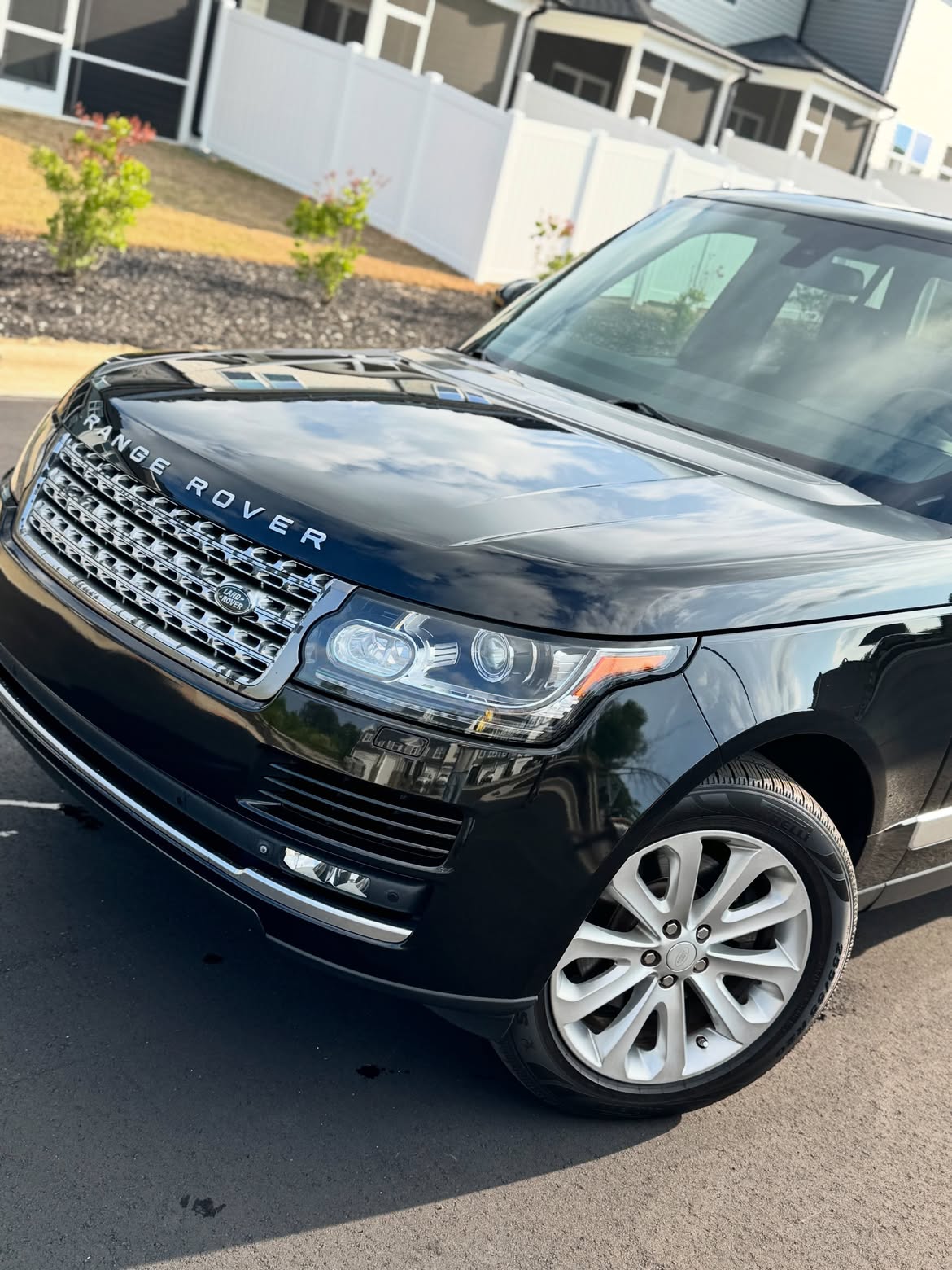
Paint correction vs ceramic coating is the single most common point of confusion we hear from customers — and it's an easy one to clear up. They aren't competing choices. They're two different services that do two different jobs, and they work best as a team: correction fixes the paint, and coating protects it. Understanding the difference will save you money and get you a far better result.
Paint Correction vs. Ceramic Coating: The Simple Version
Here's the whole concept in one line: paint correction removes flaws; ceramic coating prevents new ones. Correction is a restorative process that takes swirls, scratches, and dullness out of your existing clear coat. A coating is a protective layer that goes on afterward to lock in that fresh finish. You correct first, then protect — in that order, every time.
What Paint Correction Actually Does
Paint correction is the machine-polishing process of leveling out the tiny imperfections in your clear coat. Over time, improper washing, automatic car washes, and general wear leave behind swirl marks, fine scratches, water spots, and oxidation that make paint look hazy or dull — especially on darker colors under direct sun.
Using a machine polisher and progressively finer abrasives, a detailer removes a microscopic amount of clear coat to bring the surface back to a smooth, clear, reflective state. Done right, correction is what produces that deep, wet-looking gloss. It's genuine restoration — the flaws are removed, not hidden.
- Fixes: swirls, light scratches, water spots, oxidation, haze.
- Result: restored clarity, depth, and gloss.
- On its own: looks incredible, but the paint is left unprotected.
What a Ceramic Coating Actually Does
A ceramic coating is a liquid polymer that bonds to the clear coat and cures into a hard, semi-permanent protective layer. It doesn't remove any flaws — it defends the surface going forward. A quality coating adds strong hydrophobics, UV resistance, chemical and stain resistance, and makes the car dramatically easier to wash, all for years at a time.
- Fixes: nothing — it's protection, not restoration.
- Result: years of UV, chemical, and water-spot resistance plus easy cleaning.
- On its own: protects whatever is under it — including any flaws you didn't correct.
This is the key takeaway: a coating is transparent and locks in the finish beneath it. Coat over swirled paint and you've sealed the swirls in. That's why correction comes first.
Why They Work Best Together
The reason top-tier results always pair the two is simple. Correction gets the paint looking its absolute best; the coating preserves that look for years. Skip correction and you protect a flawed finish. Skip the coating and your freshly corrected paint slowly picks up new swirls from everyday washing. Together, you get a flawless finish that stays flawless with minimal effort — which in Raleigh's pollen, heat, and humidity is exactly what most owners are after.
Which do you actually need?
If your paint is newer and in good shape, you may only need light decontamination and a coating. If it's swirled, dull, or oxidized, correction should come first. The honest answer depends on your paint's condition, which is why we always assess the vehicle before recommending a plan — no upselling a two-day correction on paint that doesn't need it.
Frequently Asked Questions
Paint correction removes flaws — it's a machine-polishing process that takes swirls, scratches, and oxidation out of the clear coat to restore clarity and gloss. Ceramic coating adds protection — it's a durable layer applied on top that locks in the finish and defends against UV, chemicals, and water spots. One fixes the paint; the other protects it.
In almost every case, yes. A coating is transparent and semi-permanent, so it locks in whatever is underneath it. If the paint has swirls or scratches, those get sealed in and become much harder to remove later. Correcting first is what gives a coated car that deep, mirror-like finish.
Yes. Paint correction can be done on its own to restore a dull or swirled finish. Without a coating or sealant on top, though, the corrected paint is unprotected and will slowly pick up new swirls again — which is why most people choose to protect the fresh finish afterward.
It depends on the size and condition of the vehicle. A single-stage correction with a coating is often a full day, while heavier multi-stage correction on neglected paint can take two days or more. Coatings also need curing time, so we plan the schedule around your specific car.
About the author — Cardin Tang is the owner and lead detailer at Tang Detailing and a certified ceramic coating installer with years of hands-on experience protecting vehicles across Raleigh and the Triangle.
Correct it, then protect it
We'll assess your paint and recommend the honest right combination — then bring the mobile studio to your driveway.